To be Modern is not a Fashion, it is a state. It is necessary to understand History, and he who understands History knows how to find continuity between that which was, that which is and that which will be.
Combining ancient and modern is not new. Throughout History, whether through inheritance or acquisition, people have adapted existing buildings and incorporated objects from previous generations and different cultures to create comfortable, individual and at times fashionable homes.
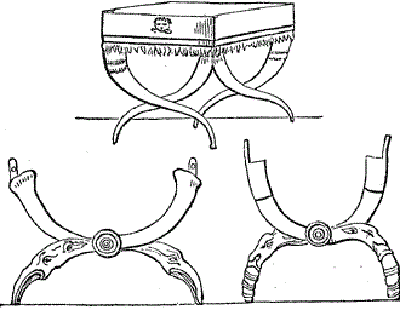
The co-existence and balance of ancient and modern is an important theme in our culture and our day to day lives. Ancient forms and concepts are apparent in architecture, design and fashion, from a dome or arch to a pair of denim jeans. Such forms appear as recurring templates or they can inspire reinventions, for instance a stella or Roman Magistrate’s stool was the inspiration for Meis Vander Rohe’s Barcelona chair.

At the start of the 20th century, however, modern was a clear-cut concept: it was a rejection of everything from previous centuries. In design terms, the machine age began around 1910, within 20 years the concept of contemporary home had changed significantly. For example, by 1940s appliances and consumer goods such as refrigerators and vacuum cleaners were commonplace throughout the USA and Western Europe.
During the 20th century, design progressed from the radical vision of the modernist movement in the 1930s to the domestic retail revolution of Habitat with its colourful dispensable sofas in 1960s and finally to the minimalist contemporary homes created at the end of the century.
All were different and all were modern. And while technology may have transformed living spaces in many ways – from the low maintenance, eco-friendly materials used in contemporary homes, to shopping on the internet, deflating plastic chairs to fit our body shapes.

Today combining ancient and modern has become important from an ecological point of view, as regenerating and reinventing existing buildings helps to preserve precious resources. Ancient and modern dynamics has been used in High profile building like the Tate Modern, by Jacques Herzog and Pierre de Meuron, where they reinvented a party redundant industrial building to create a space for exhibiting large scale installations.

In Paris, the pyramid by I.M.Pei, rising in the centre of the Louvre is a symbol of creative bravado. The transparent structure, with a fountain and three smaller pyramids in the court, underlines the symmetry of the former 13th century palace.
In Japan, following the revolutionary deconstruction fashion of Rei kawakubo of Comme des Garcon, the fabric technology of Issey Miyake, designs from a new generation that is looking to reconnect with ancient traditions include contemporary T-shirts with pockets made from fragments of antique silk kimonos.

All these cultural development are inspiring examples of how old and new can be interpreted and combined. They demonstrate the strength and relevance of an ancient and modern aesthetic as a response to the big issue of 21st century; the best possible use of available and valuable resources; and possibly the biggest issue of all – creating aesthetically and cultural rich environments.