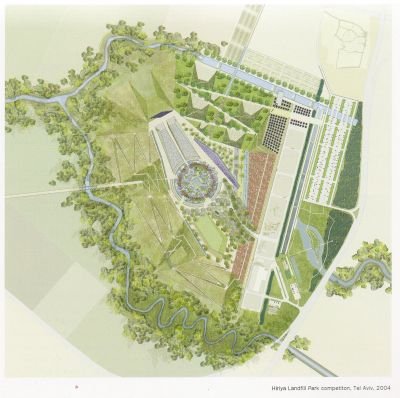
If we design a building aesthetically good and also decorate it beautifully from inside, yet if its surrounding outside area is rubbish, then the beauty of the building will be considered reduced. As such the building must have a beautiful surrounding. This is achieved by landscape development.
Landscaping is an art of planning the drives, walks, lawns, shrubs, gardens, flower-beds etc. so as to form a beautiful setting for a building. The main purpose of landscaping is to create a joyful environment round the building and give the occupants a healthy breath, good appearance and natural beauty.
The possibility of building a villa arose at a time when control of the hinterland by cities rendered fortified rural settlements unnecessary. Existing country houses belonging to the large land owning town nobility could be converted and newly built villas built solely for enjoying rural life did not need to be defensible as a castle. Both types represent the cultural ideal of rural life the so called villeggiatura.
Italian garden Design Style
Italian gardens are characterized by the abundance of architectural features or built features in the garden. Staircases, balustrades, cascades pavilions and pavements – even the cypress avenues are imitations of colonnades. The origins of the style are to be found in ancient Rome. They took the pains to site their villas on the countryside with exceptional views, where cooling breeze would reach them above malarial valleys. Within the villas there were courts and colonnades designed for every phase of wind and weather.
The difference between Architecture and building is a subject that has attached the attention of many. According to Nikolaus Pevsner, European historian, a bicycle shed is a building; Lincoln Cathedral is a piece of architecture. This distinction, however, is not a clear one, and contemporary scholarship is showing that all buildings, cathedrals and bicycle sheds alike, are part of a single continuum that characterizes the built world.
Architecture | Field of Innovation and Creativity
Architecture is an art of designing the built environment. Buildings, landscaping and street designs are the three important elements, which impart both functional as well as aesthetic character to architecture. Building features such as cornices, gables, entrances, fenestrations and textures may be used to soften or enhance buildings with colourful plants and trees. Landscape Architecture is also a vital part of design.
Street side features such as decorative lighting, benches, meandering walkways, and bicycle lanes may enhance a site for passerby, pedestrians and cyclists. Landscaping elements also play an important role in enhancing the aesthetics of the built environment.
According to Vitruvius, good buildings satisfy three core principles: Firmness, commodity and Delight. Architecture can be said to be a balance and coordination among these three elements, with none overpowering the others. A modern day definition sees architecture as addressing aesthetic, structural and functional considerations. However, looked at another way, function itself is seen as encompassing all criteria including aesthetic, psychological and cultural ones.